Come Posizionare il Manubrio della Tua Moto da Enduro
1. Preparazione e Strumenti Necessari
Prima di iniziare, assicurati di avere a portata di mano gli strumenti giusti e di lavorare su una superficie piana e stabile.
Strumenti:
* Chiave dinamometrica (fondamentale per stringere correttamente i bulloni)
* Chiavi a brugola e/o a bussola della misura appropriata per i morsetti del manubrio e i comandi
* Un metro o un calibro (utile per misurazioni precise)
* Marcatore o penna (per segnare le posizioni iniziali)
2. Comprendere i Punti di Regolazione
Il manubrio di una moto da enduro può essere regolato in diversi punti:
* Rotazione del manubrio sui riser: Il manubrio può ruotare avanti o indietro sui suoi supporti (riser).
* Posizione dei riser sulla piastra di sterzo: I riser stessi possono avere diverse posizioni (avanti/indietro) sulla piastra di sterzo.
* Inclinazione delle leve e dei comandi: Le leve freno, frizione e i blocchetti comandi possono essere inclinati indipendentemente dal manubrio.
3. Allentare i Morsetti e i Comandi
Per iniziare, devi allentare i vari elementi:
* Allenta i morsetti del manubrio: Utilizza la chiave dinamometrica per allentare i bulloni che fissano il manubrio ai riser. Non svitarli completamente, solo quanto basta per permettere al manubrio di ruotare.
* Allenta i comandi: Allenta le viti che fissano il blocchetto dell'acceleratore, il blocchetto sinistro (frizione, luci, ecc.), le leve freno e frizione, e il comando dell'aria (se presente). Anche qui, non rimuoverli, solo allentarli per consentire un facile scorrimento.
4. Impostazione Iniziale del Manubrio (Rotazione)
Questa è la regolazione più comune e spesso la più influente.
* Posizione di partenza: Siediti sulla moto in una posizione di guida naturale, come se stessi per affrontare un tratto tecnico. Mettiti in piedi sulle pedane nella posizione di attacco (gambe leggermente piegate, busto in avanti).
* Regola la rotazione: Afferra il manubrio e fallo ruotare lentamente avanti o indietro.
* Manubrio più in avanti: Ti darà una posizione più aggressiva e caricata sull'avantreno, utile per le alte velocità o per superare ostacoli importanti. Potrebbe richiedere più forza nelle braccia.
* Manubrio più indietro: Offre una posizione più eretta e rilassata, ideale per il comfort su lunghe distanze o per percorsi tecnici lenti dove è richiesta maggiore maneggevolezza e un minor affaticamento delle braccia.
* Trova il tuo "punto zero": Un buon punto di partenza è quando le tue braccia sono comodamente piegate e i tuoi polsi sono in linea con gli avambracci, senza piegature estreme. Molti piloti di enduro preferiscono una posizione leggermente più in avanti rispetto a quella da strada, per facilitare la guida in piedi.
* Suggerimento rapido: Per un'impostazione base, metti la moto su un cavalletto, siediti e appoggia i gomiti sul ginocchio in modo che il tuo avambraccio sia parallelo al terreno. La posizione del manubrio dovrebbe permettere al tuo polso di essere dritto, senza piegarsi né in avanti né indietro.
5. Regolazione dei Comandi e delle Leve
Una volta che la rotazione del manubrio è impostata, è il momento di personalizzare leve e comandi.
* Inclinazione delle leve:
* Siediti sulla moto e metti le dita sulle leve (freno e frizione) come faresti durante la guida.
* Le leve dovrebbero essere inclinate in modo che le tue dita siano in linea retta con gli avambracci quando sei in posizione di guida (sia seduto che in piedi).
* Un errore comune è avere le leve troppo in alto o troppo in basso, il che costringe i polsi a piegarsi, causando dolore e affaticamento.
* Posizione orizzontale dei blocchetti: Assicurati che i blocchetti comandi (acceleratore e lato frizione) siano posizionati in modo che tu possa raggiungerli facilmente con il pollice e l'indice, senza dover spostare la mano. Non devono interferire con l'uso delle leve.
6. Serrare i Morsetti e i Comandi
Questa è la fase più critica, specialmente per la sicurezza.
* Serra i morsetti del manubrio: Utilizza la chiave dinamometrica per stringere i bulloni dei riser secondo le specifiche di coppia consigliate dal produttore della tua moto (solitamente indicate nel manuale d'uso, o spesso stampigliate sulla piastra stessa).
* Importante: Stringi i bulloni incrociati e gradualmente, un po' alla volta, per assicurare una pressione uniforme. Non stringere un bullone a fondo e poi passare all'altro.
* Serra i comandi e le leve: Stringi le viti di fissaggio dei blocchetti comandi e delle leve. Anche qui, non esagerare con la forza; devono essere fissi ma non schiacciati, per evitare danni ai comandi o al manubrio.
7. Test e Rifiniture
Dopo aver serrato tutto, esegui dei test e apporta eventuali piccole rifiniture.
* Prova in moto: Fai un breve giro per sentire la nuova posizione. Presta attenzione a eventuali fastidi ai polsi, alle braccia o alla schiena.
* Regolazioni fini: Se necessario, ripeti i passaggi per piccole modifiche. A volte bastano pochi millimetri per fare una grande differenza.
* Segna la posizione: Una volta trovata la posizione ideale, potresti voler fare un piccolo segno (con un pennarello indelebile o un nastro isolante) sul manubrio e sui riser, in modo da poterlo ripristinare facilmente in caso di smontaggio o caduta.
Consigli Aggiuntivi
* Guidare in piedi: L'enduro si guida molto in piedi. Assicurati che la posizione del manubrio sia comoda anche quando sei in piedi sulle pedane. Le tue braccia dovrebbero essere leggermente piegate e rilassate.
* Posizione dei riser: Alcune moto permettono di spostare i riser avanti o indietro sulla piastra di sterzo. Questa regolazione cambia la distanza del manubrio dal pilota e può influenzare significativamente la maneggevolezza. Prova diverse posizioni per trovare quella che si adatta meglio al tuo stile di guida e alla tua altezza.
* Ammortizzatore di sterzo: Se hai un ammortizzatore di sterzo, assicurati che la sua installazione non limiti la regolazione del manubrio.
Prenditi il tuo tempo per trovare la regolazione perfetta. Una volta che l'avrai trovata, noterai un miglioramento significativo nel controllo e nel comfort della tua moto! Hai già provato a fare queste regolazioni in passato?
How to Adjust Your Enduro Bike's Handlebars1. Preparation and Tools You'll NeedBefore you begin, make sure you have the right tools on hand and that you're working on a flat, stable surface.Tools:* Torque wrench (essential for tightening bolts correctly)* Appropriately sized Allen and/or socket wrenches for handlebar clamps and controls* Tape measure or calipers (useful for precise measurements)* Marker or pen (for marking starting positions)
2. Understanding Adjustment PointsThe handlebars of an enduro bike can be adjusted in several places:* Rotation of the handlebars on the risers: The handlebars can rotate forward or backward on their supports (risers).* Position of the risers on the triple clamp: The risers themselves can have different positions (forward/backward) on the triple clamp.* Tilt of the levers and controls: The brake, clutch levers and switchgear can be tilted independently of the handlebars.
3. Loosen the Clamps and ControlsTo get started, you need to loosen the various elements:* Loosen the handlebar clamps: Use the torque wrench to loosen the bolts that hold the handlebars to the risers. Don't unscrew them completely, just enough to allow the handlebars to rotate.* Loosen the controls: Loosen the screws that hold the throttle block, the left block (clutch, lights, etc.), the brake and clutch levers, and the choke control (if applicable). Again, don't remove them, just loosen them to allow easy sliding.
4. Initial Handlebar Setup (Rotation)This is the most common adjustment and often the most influential.* Starting position: Sit on the bike in a natural riding position, as if you were about to tackle a technical section. Stand on the footpegs in the attack position (legs slightly bent, torso forward).* Adjust the rotation: Grab the handlebars and slowly rotate them forward or backward.* Handlebars further forward: This will give you a more aggressive, front-loaded position, which is useful for high speeds or for clearing large obstacles. May require more arm strength.* Handlebars further back: This provides a more upright, relaxed position, which is great for comfort over long distances or slow, technical trails where greater maneuverability and less arm fatigue are needed.* Find your “zero point”: A good starting point is when your arms are comfortably bent and your wrists are in line with your forearms, without any extreme bends. Many enduro riders prefer a slightly more forward position than their street position, to make it easier to ride while standing.* Quick tip: For a basic setup, put the bike on a stand, sit down and rest your elbows on your knee so your forearms are parallel to the ground. The handlebar position should allow your wrist to be straight, without bending forward or backward.
5. Adjusting the Controls and LeversOnce the handlebar rotation is set, it's time to customize the levers and controls.* Lever angle:* Sit on the bike and place your fingers on the levers (brake and clutch) as you would while riding.* The levers should be angled so that your fingers are in a straight line with your forearms when you are in the riding position (either sitting or standing).* A common mistake is to have the levers too high or too low, which forces your wrists to bend, causing pain and fatigue.* Horizontal position of the control blocks: Make sure that the control blocks (throttle and clutch side) are positioned so that you can easily reach them with your thumb and forefinger, without having to move your hand. They should not interfere with the use of the levers.
6. Tighten the Clamps and ControlsThis is the most critical step, especially for safety.* Tighten the handlebar clamps: Use your torque wrench to tighten the riser bolts to your bike manufacturer’s recommended torque specifications (usually listed in your owner’s manual, or often stamped on the plate itself).* Important: Tighten the bolts in a crisscross pattern and gradually, a little at a time, to ensure even pressure. Don’t tighten one bolt all the way down and then move on to the next.* Tighten the controls and levers: Tighten the control block and lever retaining screws. Again, don’t overtighten them; they should be tight but not pinched, to avoid damaging the controls or handlebars.47. Test and RefineOnce everything is tightened, test and make any small adjustments.
* Test ride: Take a short ride to feel the new position. Pay attention to any discomfort in your wrists, arms, or back.
* Fine-tune: Repeat the steps for small changes if necessary. Sometimes just a few millimeters can make a big difference.* Mark the position:
Adventuringtool © 2024
Come Posizionare il Manubrio della Tua Moto
Come Posizionare il Manubrio della Tua Moto
2025-06-18 08:54
2025-06-18 08:54
Array() no author 92117
Tuning, tuning, manubrio, enduro, motorally, ergonomia, posizione-di-guida,
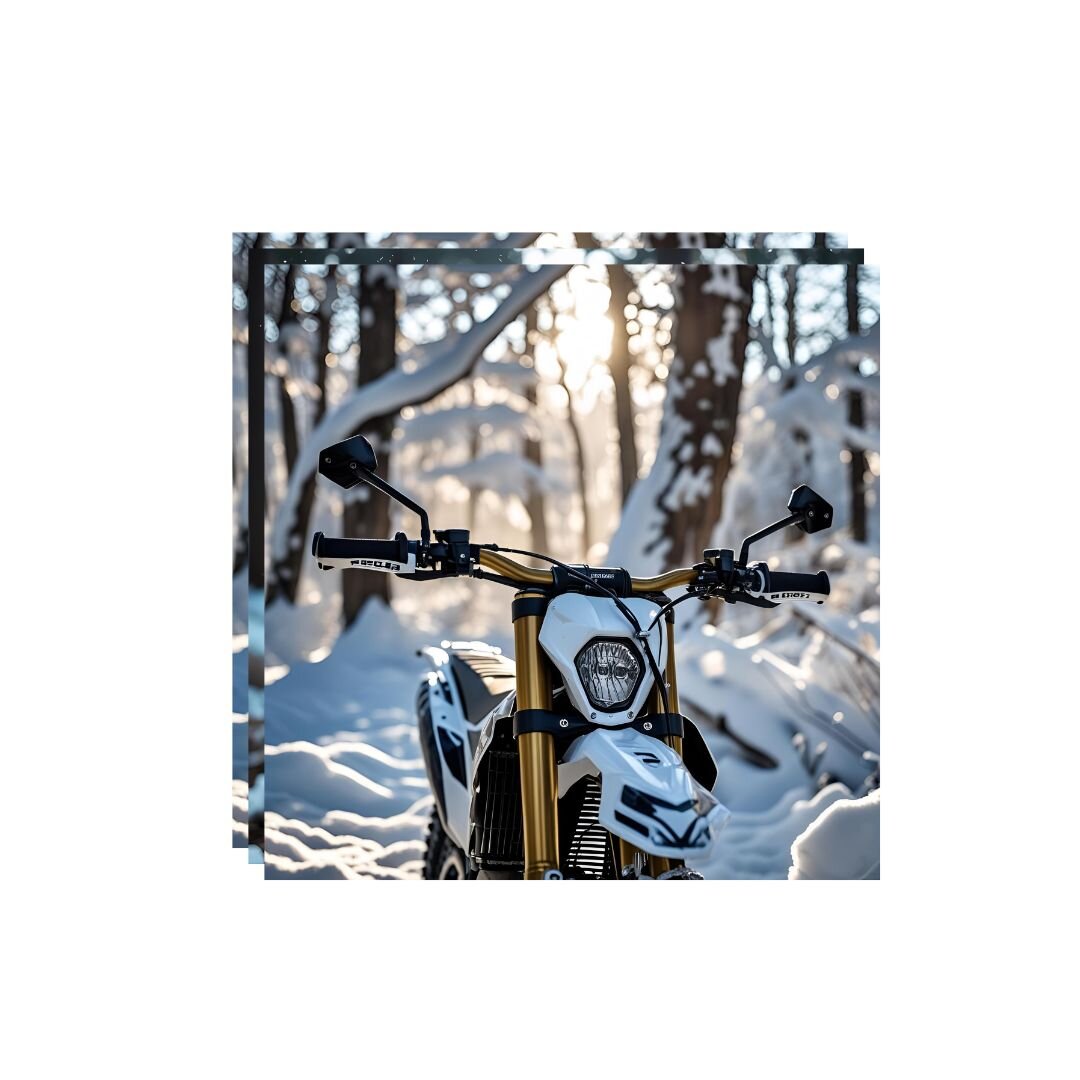
La regolazione del manubrio, un' operazione semplice da fare, prenditi il tuo tempo per trovare la regolazione perfetta. Una volta che l'avrai trovata, noterai
Adventuringtool © 2024