Adventuringtool © 2024

Adventuringtool ASD VARESE 

Informativa sulla privacyInformativa sui Cookie

Adventuringtool ASD VARESE

Ottimizza le tue sospensioni in fuoristrada, Offroad supsension Tuning

2025-06-17 04:00

Array() no author 92117

Tuning, regolazione-sospensioni, stabilita-moto, migliorare-trazione, regolazione-clicker, assetto-moto, sag-statico, sag-dinamico, forcella, monoammortizzatore, trazione-moto, risonanza, vibrazioni, terreno, enduro, motorally, motocross,
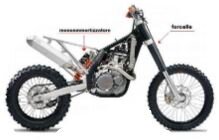
Ottimizza le tue sospensioni in fuoristrada, Offroad supsension Tuning

L'articolo fornisce una guida dettagliata su come settare le sospensioni di una moto da fuoristrada per ottimizzare maneggevolezza, comfort e sicurezza.

Settaggio delle Sospensioni della Moto da Fuoristrada

Settare le sospensioni non è una scienza esatta, ma un processo che richiede pazienza e diverse prove. L'obiettivo è trovare un equilibrio che si adatti al tuo peso, stile di guida e ai tipi di terreno che affronti più spesso.

1. Attrezzatura Necessaria

Prima di iniziare, assicurati di avere a portata di mano:

  • Metro a nastro: Per misurare il sag.
  • Chiave a settore o attrezzo specifico: Per regolare il precarico della molla posteriore.
  • Cacciavite a taglio/chiave esagonale: Per le regolazioni di compressione ed estensione.
  • Fascetta da elettricista: Per il controllo del fine corsa della forcella (opzionale, ma utile).
  • Blocchetto e penna: Per annotare le modifiche.

2. Comprendere il Sag (Statico e Dinamico)

Il sag, o abbassamento, è la quantità di escursione delle sospensioni che viene utilizzata dal peso della moto e del pilota. È il punto di partenza più importante per qualsiasi regolazione.

Sag Statico (Static Sag / Free Sag)

Il sag statico è l'abbassamento delle sospensioni causato dal solo peso della moto (senza pilota a bordo). Indica quanto le molle sono precaricate per sostenere il peso della moto stessa.

Come misurarlo:

  1. Metti la moto sul cavalletto, con entrambe le ruote sollevate da terra, in modo che le sospensioni siano completamente estese. Misura la distanza tra l'asse della ruota e un punto fisso verticale sul parafango posteriore (ad esempio, il perno del forcellone o un punto sul telaio sopra la ruota). Annota questa misura (es. A per la ruota posteriore, A′ per la forcella).
  2. Togli la moto dal cavalletto e lasciala riposare sul suo peso, con le sospensioni compresse dal solo peso della moto. Misura di nuovo la distanza tra gli stessi punti. Annota questa misura (es. B per il posteriore, B′ per l'anteriore).
  3. Calcola il sag statico:
    • Posteriore: Sag Statico=A−B
    • Anteriore: Sag Statico=A′−B′

Valori di riferimento:

  • Posteriore: Generalmente tra i 20 mm e i 40 mm. Un valore troppo alto indica una molla troppo morbida o poco precaricata; troppo basso indica una molla troppo dura o troppo precaricata.
  • Anteriore: Difficile da misurare con precisione a causa dell'attrito, ma dovrebbe essere attorno ai 20 mm -30 mm.

Sag Dinamico (Race Sag / Rider Sag)

Il sag dinamico è l'abbassamento delle sospensioni con il pilota completamente equipaggiato e seduto in posizione di guida sulla moto. Questo è il valore più critico, in quanto determina la posizione di lavoro delle sospensioni durante la guida.

Come misurarlo:

  1. Metti la moto sul cavalletto e prendi la misura A (o A′) come fatto per il sag statico.
  2. Togli la moto dal cavalletto. Con l'aiuto di un amico, sali sulla moto in posizione di guida (piedi sulle pedane, peso centrale). Il tuo amico dovrebbe misurare la distanza tra gli stessi punti di riferimento (asse ruota/parafango). Fai in modo che la moto sia perpendicolare al terreno. Annota questa misura (es. C per il posteriore, C′ per l'anteriore).
  3. Calcola il sag dinamico:
    • Posteriore: Sag Dinamico=A−C
    • Anteriore: Sag Dinamico=A′−C′

Valori di riferimento:

Questi valori sono indicativi e possono variare leggermente in base al modello di moto e al tipo di guida (motocross, enduro, trail).

  • Motocross:

    • Posteriore: 95 mm -105 mm
    • Anteriore: Dipende molto dalla forcella. Generalmente si cerca di avere un sag dinamico che metta la forcella a circa 50 mm -70 mm dalla massima estensione, ma si regola più spesso la forcella in relazione al posteriore.
  • Enduro/Trail:

    • Posteriore: 100 mm -110 mm
    • Anteriore: Anche qui, simile al motocross, con l'obiettivo di mantenere una buona altezza da terra e assorbire le irregolarità.

Come regolare il Sag Dinamico:

  • Se il sag dinamico è troppo alto (troppa escursione): La molla è troppo morbida o poco precaricata. Devi aumentare il precarico della molla posteriore (avvitando l'anello di regolazione) o, se non sufficiente, sostituire la molla con una più dura. Per l'anteriore, dovrai aumentare il precarico delle molle forcella (se possibile) o aggiungere spessori, oppure passare a molle più dure.
  • Se il sag dinamico è troppo basso (poca escursione): La molla è troppo dura o troppo precaricata. Devi diminuire il precarico della molla posteriore (svitando l'anello di regolazione) o, se non sufficiente, sostituire la molla con una più morbida. Per l'anteriore, dovrai diminuire il precarico o passare a molle più morbide.

Importante: Regola prima il sag dinamico posteriore, poiché questo influenzerà anche l'anteriore. Dopo aver regolato il sag dinamico, ricontrolla il sag statico. Se il sag statico è troppo alto o troppo basso nonostante il sag dinamico sia corretto, è probabile che tu abbia bisogno di una molla di rigidità diversa per il tuo peso.


3. Regolazione Idraulica: Compressione ed Estensione

Una volta impostato il sag correttamente, si passa alle regolazioni idrauliche. Queste regolazioni influenzano la velocità con cui le sospensioni si comprimono (compressione) e si estendono (estensione). Di solito si contano i "click" partendo dalla posizione completamente chiusa (avvitata a fondo).

Compressione (Compression / Clickties)

Controlla la velocità con cui la sospensione si comprime quando incontra un ostacolo.

  • Compressione Lenta (Low-Speed Compression - LSC): Gestisce il movimento lento delle sospensioni, come il trasferimento di peso in curva, l'assorbimento delle ondulazioni o il bobbing in accelerazione.
    • Troppo chiusa (dura): La moto sarà rigida, saltellerà sulle piccole asperità, avrà poca trazione in accelerazione e trasmetterà ogni colpo al pilota.
    • Troppo aperta (morbida): La moto tenderà ad affondare troppo velocemente (talvolta andando a "fine corsa" prematuramente), con poca stabilità in frenata e in curva, e una sensazione di "galleggiamento".
  • Compressione Veloce (High-Speed Compression - HSC): Gestisce gli impatti violenti e improvvisi, come atterraggi da salti o buche profonde.
    • Troppo chiusa (dura): La moto risponderà duramente agli urti violenti, trasmettendo un forte impatto e rendendo la guida faticosa.
    • Troppo aperta (morbida): La moto tenderà a "pacchi" negli atterraggi o nelle buche profonde, usando troppa escursione e rischiando il fine corsa.

Come regolare:

Le viti di regolazione si trovano solitamente sulla parte superiore della forcella e sulla bomboletta separata (se presente) o sul corpo dell'ammortizzatore posteriore.

Estensione (Rebound / Ritorno)

Controlla la velocità con cui la sospensione ritorna alla sua posizione originale dopo essersi compressa. Un'estensione ben regolata è cruciale per la trazione e la stabilità.

  • Troppo chiusa (lenta): La sospensione si estenderà lentamente. In caso di ostacoli ravvicinati, non avrà il tempo di estendersi completamente prima del prossimo impatto, tendendo a "impaccarsi" e a rimanere compressa (packing), riducendo l'escursione disponibile. La moto sembrerà "morta" e avrà poca aderenza.
  • Troppo aperta (veloce): La sospensione si estenderà troppo velocemente, rimbalzando (kickback) violentemente dopo un impatto, destabilizzando la moto e riducendo il contatto con il terreno. Questo può rendere la moto nervosa e difficile da controllare.

Come regolare:

Le viti di regolazione si trovano solitamente sulla parte inferiore della forcella e sulla parte inferiore dell'ammortizzatore posteriore.

Consiglio: Per regolare l'estensione posteriore, comprimi l'ammortizzatore con forza (o chiedi a un amico di farlo) e osserva la velocità con cui risale. Dovrebbe risalire in modo controllato, senza rimbalzare.


4. La Trazione sui Vari Tipi di Terreno

Una volta che il sag e le impostazioni di base sono a posto, puoi iniziare a fare le regolazioni fini in base al tipo di terreno. L'obiettivo è massimizzare il contatto della ruota con il terreno per la massima trazione.

  • Terreni Duri e Compatti (es. piste asciutte, rocce):
    • Obiettivo: Ridurre il "chattering" (saltellamento) e mantenere il contatto.
    • Regolazioni: Potresti aver bisogno di una compressione leggermente più morbida (più aperta) per assorbire le piccole asperità e una estensione leggermente più lenta (più chiusa) per mantenere la ruota a terra. Questo aiuta a superare le radici o le rocce senza perdere aderenza.
  • Terreni Morbidi (es. sabbia, fango):
    • Obiettivo: Evitare l'affondamento eccessivo e mantenere il galleggiamento.
    • Regolazioni: Spesso si preferisce una compressione leggermente più sostenuta (più chiusa) per evitare che la moto affondi troppo e si impunti. L'estensione può essere leggermente più veloce (più aperta) per permettere alla ruota di seguire le ondulazioni del terreno senza impaccarsi nel fango.
  • Terreni con Radici/Rocce Disconnesse:
    • Obiettivo: Massima capacità di assorbimento e rapido recupero.
    • Regolazioni: La compressione (soprattutto ad alta velocità) dovrebbe essere sufficientemente morbida da assorbire gli impatti, ma non così morbida da causare il fine corsa. L'estensione deve essere abbastanza veloce da non "impaccarsi", ma sufficientemente frenata da non causare rimbalzi violenti. È un equilibrio delicato.
  • Pista da Motocross con Salti:
    • Obiettivo: Assorbimento degli atterraggi e stabilità.
    • Regolazioni: La compressione ad alta velocità (HSC) sarà più chiusa per prevenire il fine corsa negli atterraggi. La compressione a bassa velocità (LSC) dovrà essere equilibrata per permettere alla moto di caricarsi bene in curva senza affondare troppo. L'estensione deve essere sufficientemente frenata per prevenire il "kickback" negli atterraggi e garantire stabilità.

5. Consigli Generali per la Regolazione

  1. Annota tutto: Ogni volta che fai una modifica, scrivi la data, il clicker attuale e la variazione che hai fatto. Questo ti aiuterà a tornare indietro se non ti piace il risultato.
  2. Una regolazione alla volta: Non cambiare più di una cosa per volta. Se modifichi compressione ed estensione contemporaneamente, non saprai quale delle due ha causato il cambiamento.
  3. Prova su un tratto conosciuto: Scegli un tratto di pista o sentiero che conosci bene e prova le modifiche lì. Questo ti darà un riferimento costante.
  4. Inizia dai clicker di riferimento: Il manuale della tua moto di solito fornisce delle impostazioni "standard" o di partenza per i clicker. Inizia da lì e regola a piccoli passi (1-2 click alla volta).
  5. Ascolta la moto e te stesso: Senti come reagisce la moto. È troppo dura? Troppo morbida? Senti la ruota che perde aderenza? I tuoi avambracci si affaticano troppo? Tutti questi sono indizi importanti.
  6. Non aver paura di sperimentare: Le sospensioni sono personali. Quello che funziona per un altro pilota potrebbe non funzionare per te.
  7. Manutenzione: Sospensioni ben mantenute (olio fresco, guarnizioni in buono stato) funzioneranno sempre meglio.

Off-Road Motorcycle Suspension Setup

Setting up your suspension isn't an exact science; it's a process that requires patience and several attempts. The goal is to find a balance that suits your weight, riding style, and the types of terrain you encounter most often.

1. Essential Tools

Before you begin, make sure you have the following on hand:

  • Measuring tape: For measuring sag.
  • Spanner wrench or specific tool: For adjusting the rear spring preload.
  • Flat-head screwdriver/hex key: For compression and rebound adjustments.
  • Zip tie: For checking fork bottoming (optional, but useful).
  • Notebook and pen: To jot down your changes.

2. Understanding Sag (Static and Dynamic)

Sag is the amount of suspension travel used by the weight of the motorcycle and rider. It's the most crucial starting point for any adjustment.

Static Sag (Free Sag)

Static sag is the suspension's compression caused by the motorcycle's weight alone (without the rider on board). It indicates how much the springs are preloaded to support the bike's own weight.

How to measure:

  1. Place the bike on a stand with both wheels off the ground, so the suspension is fully extended. Measure the distance between the wheel axle and a fixed vertical point on the rear fender (e.g., the swingarm pivot or a frame point above the wheel). Note this measurement (e.g., A for the rear wheel, A′ for the front fork).
  2. Take the bike off the stand and let it rest on its own weight, with the suspension compressed only by the bike's weight. Measure the distance between the same points again. Note this measurement (e.g., B for the rear, B′ for the front).
  3. Calculate the static sag:
    • Rear: Static Sag=A−B
    • Front: Static Sag=A′−B′

Reference values:

  • Rear: Generally between 20 mm and 40 mm. A value that's too high indicates a spring that's too soft or too little preload; too low indicates a spring that's too stiff or too much preload.
  • Front: Difficult to measure precisely due to friction, but it should be around 20 mm -30 mm.

Dynamic Sag (Race Sag / Rider Sag)

Dynamic sag is the suspension's compression with the rider fully geared up and seated in the riding position on the bike. This is the most critical value, as it determines the working position of the suspension during riding.

How to measure:

  1. Place the bike on a stand and take measurement A (or A′) as you did for static sag.
  2. Take the bike off the stand. With the help of a friend, sit on the bike in your riding position (feet on the pegs, weight centered). Your friend should measure the distance between the same reference points (wheel axle/fender). Ensure the bike is perpendicular to the ground. Note this measurement (e.g., C for the rear, C′ for the front).
  3. Calculate the dynamic sag:
    • Rear: Dynamic Sag=A−C
    • Front: Dynamic Sag=A′−C′

Reference values:

These values are indicative and may vary slightly depending on the motorcycle model and riding style (motocross, enduro, trail).

  • Motocross:

    • Rear: 95 mm -105 mm
    • Front: Highly dependent on the fork. Generally, you aim for a dynamic sag that puts the fork about 50 mm -70 mm from full extension, but the fork is more often adjusted in relation to the rear.
  • Enduro/Trail:

    • Rear: 100 mm -110 mm
    • Front: Similar to motocross, with the goal of maintaining good ground clearance and absorbing irregularities.

How to adjust Dynamic Sag:

  • If dynamic sag is too high (too much travel): The spring is too soft or has too little preload. You need to increase the preload of the rear spring (by tightening the adjustment ring) or, if that's not enough, replace the spring with a stiffer one. For the front, you'll need to increase fork spring preload (if possible) or add spacers, or switch to stiffer springs.
  • If dynamic sag is too low (too little travel): The spring is too stiff or has too much preload. You need to decrease the preload of the rear spring (by loosening the adjustment ring) or, if that's not enough, replace the spring with a softer one. For the front, you'll need to decrease preload or switch to softer springs.

Important: Always adjust the rear dynamic sag first, as this will also affect the front. After adjusting dynamic sag, recheck the static sag. If the static sag is too high or too low despite the dynamic sag being correct, it's likely you need a different spring rate for your weight.


3. Hydraulic Adjustment: Compression and Rebound

Once the sag is set correctly, you move on to hydraulic adjustments. These settings influence how quickly the suspension compresses (compression) and extends (rebound). You usually count "clicks" starting from the fully closed (fully tightened) position.

Compression

Controls how quickly the suspension compresses when it encounters an obstacle.

  • Low-Speed Compression (LSC): Manages slow suspension movement, such as weight transfer in turns, absorbing undulations, or bobbing during acceleration.
    • Too stiff (closed): The bike will feel rigid, bounce over small bumps, have poor traction under acceleration, and transmit every jolt to the rider.
    • Too soft (open): The bike will tend to dive too quickly (sometimes bottoming out prematurely), leading to poor stability during braking and cornering, and a "floating" sensation.
  • High-Speed Compression (HSC): Manages violent and sudden impacts, such as landings from jumps or deep potholes.
    • Too stiff (closed): The bike will react harshly to violent impacts, transmitting a strong jolt and making riding fatiguing.
    • Too soft (open): The bike will tend to "pack down" on landings or in deep potholes, using too much travel and risking bottoming out.

How to adjust:

Adjustment screws are typically found on the top of the fork and on the separate reservoir (if present) or body of the rear shock.

Rebound

Controls how quickly the suspension returns to its original position after compressing. Well-adjusted rebound is crucial for traction and stability.

  • Too slow (closed): The suspension will extend slowly. On closely spaced bumps, it won't have time to fully extend before the next impact, tending to "pack up" and remain compressed, reducing available travel. The bike will feel "dead" and have poor grip.
  • Too fast (open): The suspension will extend too quickly, "kicking back" violently after an impact, destabilizing the bike and reducing tire contact with the ground. This can make the bike feel twitchy and hard to control.

How to adjust:

Adjustment screws are typically found on the bottom of the fork and the bottom of the rear shock.

Tip: To adjust rear rebound, compress the shock forcefully (or have a friend do it) and observe how quickly it returns. It should return in a controlled manner, without bouncing.


4. Traction on Various Terrains

Once the sag and basic settings are in place, you can begin fine-tuning based on the terrain type. The goal is to maximize tire contact with the ground for ultimate traction.

  • Hard-Packed, Dry Terrain (e.g., dry tracks, rocks):
    • Goal: Reduce "chattering" (bouncing) and maintain contact.
    • Adjustments: You might need slightly softer compression (more open) to absorb small irregularities and slightly slower rebound (more closed) to keep the wheel on the ground. This helps overcome roots or rocks without losing grip.
  • Soft Terrain (e.g., sand, mud):
    • Goal: Prevent excessive diving and maintain flotation.
    • Adjustments: Slightly firmer compression (more closed) is often preferred to prevent the bike from diving too much and bogging down. Rebound can be slightly faster (more open) to allow the wheel to follow the terrain's undulations without packing up in the mud.
  • Rooty/Rocky Disconnected Terrain:
    • Goal: Maximum absorption capacity and quick recovery.
    • Adjustments: Compression (especially high-speed) should be soft enough to absorb impacts but not so soft as to cause bottoming out. Rebound needs to be fast enough not to "pack up" but sufficiently damped to prevent violent kickback. It's a delicate balance.
  • Motocross Track with Jumps:
    • Goal: Landing absorption and stability.
    • Adjustments: High-speed compression (HSC) will be firmer to prevent bottoming out on landings. Low-speed compression (LSC) needs to be balanced to allow the bike to load well in turns without diving too much. Rebound must be sufficiently damped to prevent "kickback" on landings and ensure stability.

5. General Adjustment Tips

  1. Write everything down: Every time you make a change, note the date, current clicker setting, and the adjustment you made. This will help you revert if you don't like the result.
  2. One adjustment at a time: Don't change more than one thing at once. If you adjust compression and rebound simultaneously, you won't know which one caused the change.
  3. Test on a familiar section: Choose a section of track or trail that you know well and test your changes there. This will give you a consistent reference point.
  4. Start with reference clickers: Your bike's manual usually provides "standard" or starting settings for the clickers. Begin there and adjust in small increments (1-2 clicks at a time).
  5. Listen to your bike and yourself: Feel how the bike reacts. Is it too stiff? Too soft? Do you feel the wheel losing grip? Are your forearms getting overly fatigued? All of these are important clues.
  6. Don't be afraid to experiment: Suspension setup is personal. What works for another rider might not work for you.
  7. Maintenance: Well-maintained suspension (fresh oil, good seals) will always perform better.


Adventuringtool © 2024

Informativa sulla privacyInformativa sui Cookie