Settare le sospensioni non è una scienza esatta, ma un processo che richiede pazienza e diverse prove. L'obiettivo è trovare un equilibrio che si adatti al tuo peso, stile di guida e ai tipi di terreno che affronti più spesso. Prima di iniziare, assicurati di avere a portata di mano: Il sag, o abbassamento, è la quantità di escursione delle sospensioni che viene utilizzata dal peso della moto e del pilota. È il punto di partenza più importante per qualsiasi regolazione. Il sag statico è l'abbassamento delle sospensioni causato dal solo peso della moto (senza pilota a bordo). Indica quanto le molle sono precaricate per sostenere il peso della moto stessa. Come misurarlo: Valori di riferimento: Il sag dinamico è l'abbassamento delle sospensioni con il pilota completamente equipaggiato e seduto in posizione di guida sulla moto. Questo è il valore più critico, in quanto determina la posizione di lavoro delle sospensioni durante la guida. Come misurarlo: Valori di riferimento: Questi valori sono indicativi e possono variare leggermente in base al modello di moto e al tipo di guida (motocross, enduro, trail). Motocross: Enduro/Trail: Come regolare il Sag Dinamico: Importante: Regola prima il sag dinamico posteriore, poiché questo influenzerà anche l'anteriore. Dopo aver regolato il sag dinamico, ricontrolla il sag statico. Se il sag statico è troppo alto o troppo basso nonostante il sag dinamico sia corretto, è probabile che tu abbia bisogno di una molla di rigidità diversa per il tuo peso. Una volta impostato il sag correttamente, si passa alle regolazioni idrauliche. Queste regolazioni influenzano la velocità con cui le sospensioni si comprimono (compressione) e si estendono (estensione). Di solito si contano i "click" partendo dalla posizione completamente chiusa (avvitata a fondo). Controlla la velocità con cui la sospensione si comprime quando incontra un ostacolo. Come regolare: Le viti di regolazione si trovano solitamente sulla parte superiore della forcella e sulla bomboletta separata (se presente) o sul corpo dell'ammortizzatore posteriore. Controlla la velocità con cui la sospensione ritorna alla sua posizione originale dopo essersi compressa. Un'estensione ben regolata è cruciale per la trazione e la stabilità. Come regolare: Le viti di regolazione si trovano solitamente sulla parte inferiore della forcella e sulla parte inferiore dell'ammortizzatore posteriore. Consiglio: Per regolare l'estensione posteriore, comprimi l'ammortizzatore con forza (o chiedi a un amico di farlo) e osserva la velocità con cui risale. Dovrebbe risalire in modo controllato, senza rimbalzare. Una volta che il sag e le impostazioni di base sono a posto, puoi iniziare a fare le regolazioni fini in base al tipo di terreno. L'obiettivo è massimizzare il contatto della ruota con il terreno per la massima trazione. Setting up your suspension isn't an exact science; it's a process that requires patience and several attempts. The goal is to find a balance that suits your weight, riding style, and the types of terrain you encounter most often. Before you begin, make sure you have the following on hand: Sag is the amount of suspension travel used by the weight of the motorcycle and rider. It's the most crucial starting point for any adjustment. Static sag is the suspension's compression caused by the motorcycle's weight alone (without the rider on board). It indicates how much the springs are preloaded to support the bike's own weight. How to measure: Reference values: Dynamic sag is the suspension's compression with the rider fully geared up and seated in the riding position on the bike. This is the most critical value, as it determines the working position of the suspension during riding. How to measure: Reference values: These values are indicative and may vary slightly depending on the motorcycle model and riding style (motocross, enduro, trail). Motocross: Enduro/Trail: How to adjust Dynamic Sag: Important: Always adjust the rear dynamic sag first, as this will also affect the front. After adjusting dynamic sag, recheck the static sag. If the static sag is too high or too low despite the dynamic sag being correct, it's likely you need a different spring rate for your weight. Once the sag is set correctly, you move on to hydraulic adjustments. These settings influence how quickly the suspension compresses (compression) and extends (rebound). You usually count "clicks" starting from the fully closed (fully tightened) position. Controls how quickly the suspension compresses when it encounters an obstacle. How to adjust: Adjustment screws are typically found on the top of the fork and on the separate reservoir (if present) or body of the rear shock. Controls how quickly the suspension returns to its original position after compressing. Well-adjusted rebound is crucial for traction and stability. How to adjust: Adjustment screws are typically found on the bottom of the fork and the bottom of the rear shock. Tip: To adjust rear rebound, compress the shock forcefully (or have a friend do it) and observe how quickly it returns. It should return in a controlled manner, without bouncing. Once the sag and basic settings are in place, you can begin fine-tuning based on the terrain type. The goal is to maximize tire contact with the ground for ultimate traction. Settaggio delle Sospensioni della Moto da Fuoristrada
1. Attrezzatura Necessaria
2. Comprendere il Sag (Statico e Dinamico)
Sag Statico (Static Sag / Free Sag)
Sag Dinamico (Race Sag / Rider Sag)
3. Regolazione Idraulica: Compressione ed Estensione
Compressione (Compression / Clickties)
Estensione (Rebound / Ritorno)
4. La Trazione sui Vari Tipi di Terreno
5. Consigli Generali per la Regolazione
Off-Road Motorcycle Suspension Setup
1. Essential Tools
2. Understanding Sag (Static and Dynamic)
Static Sag (Free Sag)
Dynamic Sag (Race Sag / Rider Sag)
3. Hydraulic Adjustment: Compression and Rebound
Compression
Rebound
4. Traction on Various Terrains
5. General Adjustment Tips
Adventuringtool © 2024
Ottimizza le tue sospensioni in fuoristrada, Offroad supsension Tuning
Ottimizza le tue sospensioni in fuoristrada, Offroad supsension Tuning
2025-06-17 04:00
2025-06-17 04:00
Array() no author 92117
Tuning, regolazione-sospensioni, stabilita-moto, migliorare-trazione, regolazione-clicker, assetto-moto, sag-statico, sag-dinamico, forcella, monoammortizzatore, trazione-moto, risonanza, vibrazioni, terreno, enduro, motorally, motocross,
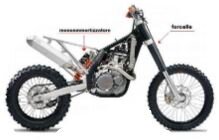
L'articolo fornisce una guida dettagliata su come settare le sospensioni di una moto da fuoristrada per ottimizzare maneggevolezza, comfort e sicurezza.
Adventuringtool © 2024