How to Position the Handlebars of Your Enduro Bike
1. Preparation and Necessary Tools
Before you start, make sure you have the right tools on hand and are working on a flat, stable surface.
Tools:
* Torque wrench (essential for properly tightening bolts)
* Allen and/or socket wrenches of the appropriate size for the handlebar clamps and controls
* A tape measure or caliper (useful for precise measurements)
* Marker or pen (to mark initial positions)
2. Understanding the Adjustment Points
The handlebars of an enduro bike can be adjusted in several places:
* Rotation of the handlebars on the risers: The handlebars can rotate forward or backward on their supports (risers).
* Position of the risers on the triple clamp: The risers themselves can have different positions (forward/backward) on the triple clamp.
* Tilt of the levers and controls: The brake, clutch levers, and control blocks can be tilted independently of the handlebars.
3. Loosen the Clamps and Controls
To begin, you need to loosen the various elements:
* Loosen the handlebar clamps: Use the torque wrench to loosen the bolts that secure the handlebars to the risers. Do not unscrew them completely, just enough to allow the handlebars to rotate.
* Loosen the controls: Loosen the screws that secure the throttle block, the left block (clutch, lights, etc.), the brake and clutch levers, and the choke control (if present). Again, do not remove them, just loosen them to allow for easy sliding.
4. Initial Handlebar Setting (Rotation)
This is the most common and often the most influential adjustment.
* Starting position: Sit on the bike in a natural riding position, as if you were about to tackle a technical section. Stand on the footpegs in the attack position (legs slightly bent, torso forward).
* Adjust the rotation: Grab the handlebars and slowly rotate them forward or backward.
* Handlebars further forward: This will give you a more aggressive, front-loaded position, useful for high speeds or overcoming major obstacles. It may require more arm strength.
* Handlebars further back: Offers a more upright and relaxed position, ideal for comfort over long distances or for slow technical routes where greater maneuverability and less arm fatigue are required.
* Find your "zero point": A good starting point is when your arms are comfortably bent and your wrists are in line with your forearms, without extreme bends. Many enduro riders prefer a slightly more forward position than on the road, to facilitate riding while standing.
* Quick tip: For a basic setup, put the bike on a stand, sit down, and rest your elbows on your knee so your forearm is parallel to the ground. The handlebar position should allow your wrist to be straight, without bending forward or backward.
5. Adjusting the Controls and Levers
Once the handlebar rotation is set, it's time to customize the levers and controls.
* Lever tilt:
* Sit on the bike and place your fingers on the levers (brake and clutch) as you would while riding.
* The levers should be tilted so that your fingers are in a straight line with your forearms when you are in the riding position (either sitting or standing).
* A common mistake is having the levers too high or too low, which forces your wrists to bend, causing pain and fatigue.
* Horizontal position of the control blocks: Make sure the control blocks (throttle and clutch side) are positioned so you can easily reach them with your thumb and index finger, without having to move your hand. They should not interfere with the use of the levers.
6. Tighten the Clamps and Controls
This is the most critical phase, especially for safety.
* Tighten the handlebar clamps: Use the torque wrench to tighten the riser bolts according to the torque specifications recommended by your bike's manufacturer (usually indicated in the owner's manual, or often stamped on the plate itself).
* Important: Tighten the bolts in a crisscross pattern and gradually, a little at a time, to ensure even pressure. Do not tighten one bolt all the way and then move to the next.
* Tighten the controls and levers: Tighten the screws securing the control blocks and levers. Again, do not overtighten; they should be secure but not crushed, to avoid damaging the controls or handlebars.
7. Testing and Refinements
After tightening everything, perform some tests and make any small refinements.
* Test ride: Take a short ride to feel the new position. Pay attention to any discomfort in your wrists, arms, or back.
* Fine adjustments: If necessary, repeat the steps for small changes. Sometimes just a few millimeters can make a big difference.
* Mark the position: Once you've found the ideal position, you might want to make a small mark (with a permanent marker or electrical tape) on the handlebars and risers, so you can easily restore it in case of disassembly or a fall.
Additional Tips
* Riding while standing: Enduro is often ridden standing up. Make sure the handlebar position is comfortable even when you are standing on the footpegs. Your arms should be slightly bent and relaxed.
* Riser position: Some bikes allow you to move the risers forward or backward on the triple clamp. This adjustment changes the distance of the handlebars from the rider and can significantly affect handling. Try different positions to find the one that best suits your riding style and height.
* Steering damper: If you have a steering damper, make sure its installation does not limit handlebar adjustment.
Take your time to find the perfect adjustment. Once you've found it, you'll notice a significant improvement in the control and comfort of your bike! Have you already tried making these adjustments in the past?
How to Adjust Your Enduro Bike's Handlebars1. Preparation and Tools You'll NeedBefore you begin, make sure you have the right tools on hand and that you're working on a flat, stable surface.Tools:* Torque wrench (essential for tightening bolts correctly)* Appropriately sized Allen and/or socket wrenches for handlebar clamps and controls* Tape measure or calipers (useful for precise measurements)* Marker or pen (for marking starting positions)
2. Understanding Adjustment PointsThe handlebars of an enduro bike can be adjusted in several places:* Rotation of the handlebars on the risers: The handlebars can rotate forward or backward on their supports (risers).* Position of the risers on the triple clamp: The risers themselves can have different positions (forward/backward) on the triple clamp.* Tilt of the levers and controls: The brake, clutch levers and switchgear can be tilted independently of the handlebars.
3. Loosen the Clamps and ControlsTo get started, you need to loosen the various elements:* Loosen the handlebar clamps: Use the torque wrench to loosen the bolts that hold the handlebars to the risers. Don't unscrew them completely, just enough to allow the handlebars to rotate.* Loosen the controls: Loosen the screws that hold the throttle block, the left block (clutch, lights, etc.), the brake and clutch levers, and the choke control (if applicable). Again, don't remove them, just loosen them to allow easy sliding.
4. Initial Handlebar Setup (Rotation)This is the most common adjustment and often the most influential.* Starting position: Sit on the bike in a natural riding position, as if you were about to tackle a technical section. Stand on the footpegs in the attack position (legs slightly bent, torso forward).* Adjust the rotation: Grab the handlebars and slowly rotate them forward or backward.* Handlebars further forward: This will give you a more aggressive, front-loaded position, which is useful for high speeds or for clearing large obstacles. May require more arm strength.* Handlebars further back: This provides a more upright, relaxed position, which is great for comfort over long distances or slow, technical trails where greater maneuverability and less arm fatigue are needed.* Find your “zero point”: A good starting point is when your arms are comfortably bent and your wrists are in line with your forearms, without any extreme bends. Many enduro riders prefer a slightly more forward position than their street position, to make it easier to ride while standing.* Quick tip: For a basic setup, put the bike on a stand, sit down and rest your elbows on your knee so your forearms are parallel to the ground. The handlebar position should allow your wrist to be straight, without bending forward or backward.
5. Adjusting the Controls and LeversOnce the handlebar rotation is set, it's time to customize the levers and controls.* Lever angle:* Sit on the bike and place your fingers on the levers (brake and clutch) as you would while riding.* The levers should be angled so that your fingers are in a straight line with your forearms when you are in the riding position (either sitting or standing).* A common mistake is to have the levers too high or too low, which forces your wrists to bend, causing pain and fatigue.* Horizontal position of the control blocks: Make sure that the control blocks (throttle and clutch side) are positioned so that you can easily reach them with your thumb and forefinger, without having to move your hand. They should not interfere with the use of the levers.
6. Tighten the Clamps and ControlsThis is the most critical step, especially for safety.* Tighten the handlebar clamps: Use your torque wrench to tighten the riser bolts to your bike manufacturer’s recommended torque specifications (usually listed in your owner’s manual, or often stamped on the plate itself).* Important: Tighten the bolts in a crisscross pattern and gradually, a little at a time, to ensure even pressure. Don’t tighten one bolt all the way down and then move on to the next.* Tighten the controls and levers: Tighten the control block and lever retaining screws. Again, don’t overtighten them; they should be tight but not pinched, to avoid damaging the controls or handlebars.47. Test and RefineOnce everything is tightened, test and make any small adjustments.
* Test ride: Take a short ride to feel the new position. Pay attention to any discomfort in your wrists, arms, or back.
* Fine-tune: Repeat the steps for small changes if necessary. Sometimes just a few millimeters can make a big difference.* Mark the position:
Adventuringtool © 2024
How to Position the Handlebar of Your Motorcycle
How to Position the Handlebar of Your Motorcycle
2025-06-18 08:54
2025-06-18 08:54
Array() no author 92117
Tuning, tuning, manubrio, enduro, motorally, ergonomia, posizione-di-guida,
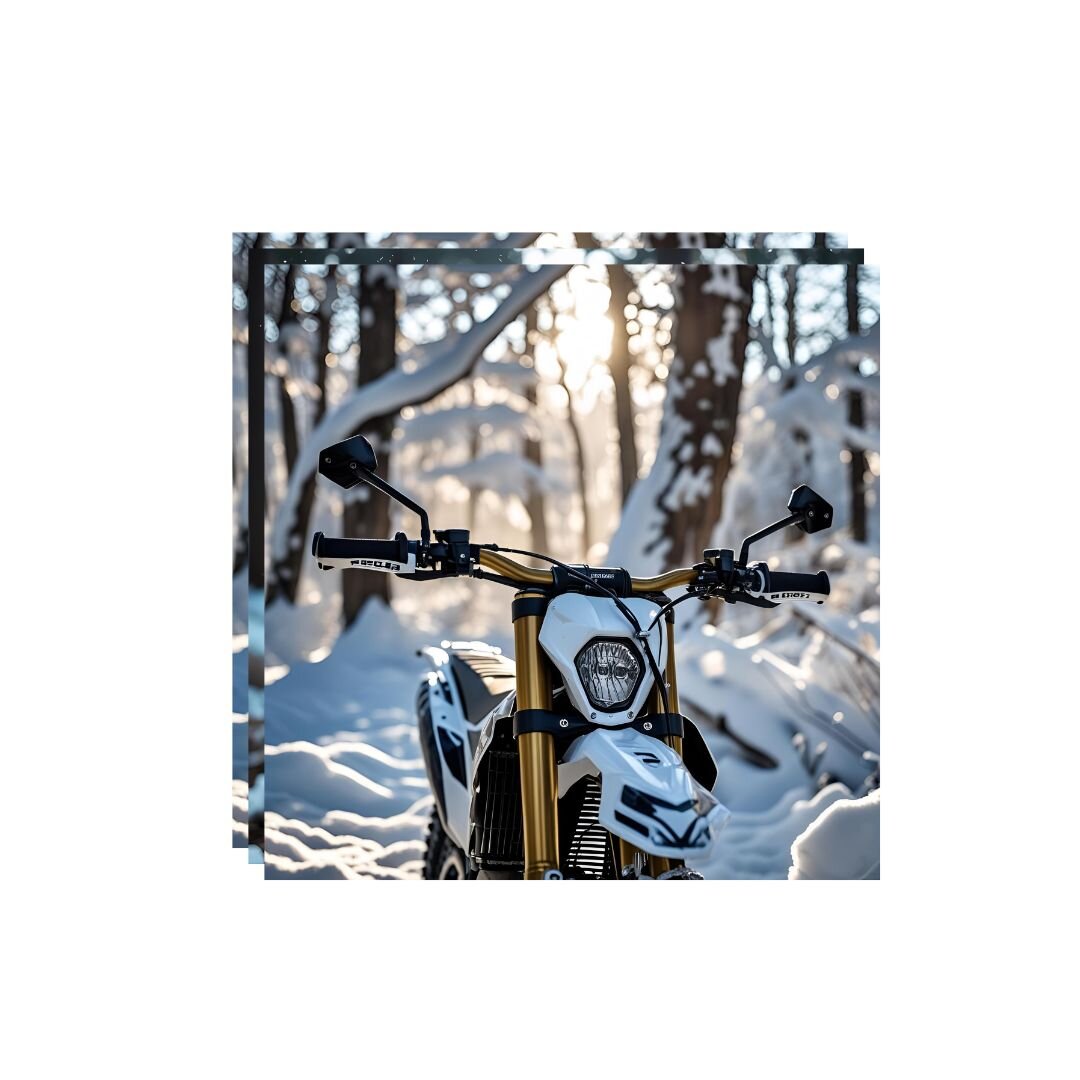
The adjustment of the handlebar, a simple operation to do, take your time to find the perfect adjustment. Once you have found it, you will notice
Adventuringtool © 2024